-
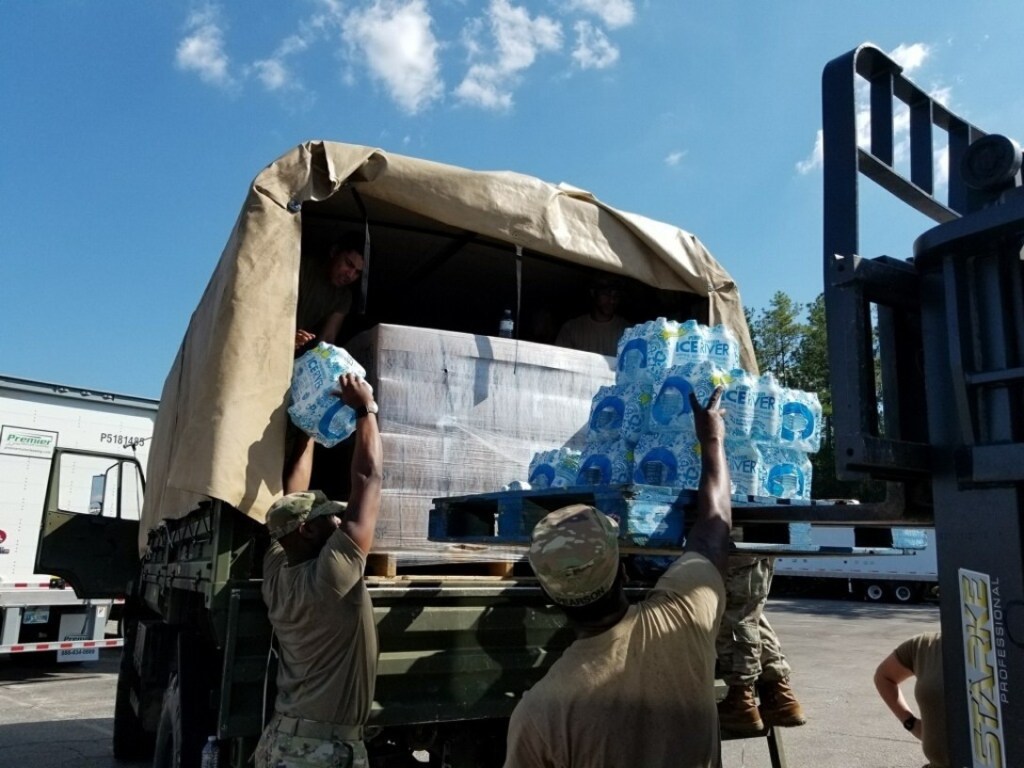
The answer to battlefield logistics problems could be IoT
The Defense Logistics Agency estimates more than 20 billion IoT devices will be in use by 2020 in homes, businesses and government, and the agency sees a military opportunity in this coming wave of connected devices.
-

Even a little bit of poison is still … poison
Scientists at the U.S. Army Edgewood Chemical Biological Center at Aberdeen Proving Ground, Maryland, are developing a more accurate poison detector.
-
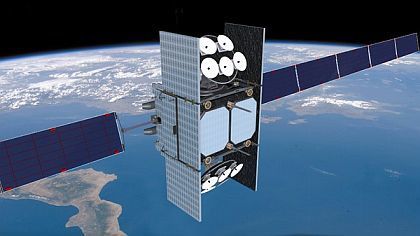
Air Force looks for help on new, hard-to-jam, satellite waveform
The Air Force expects to receive responses from industry soon on a recent request for information around protected satellite communications.
-

Is that a minivan or a combat vehicle? Hyperspectral sensors can help
Scientists at Harris Corp. say they are making headway on “hyperspectral” imaging that looks beyond ordinary colors to see the unique electromagnetic energy emitted by objects.
-
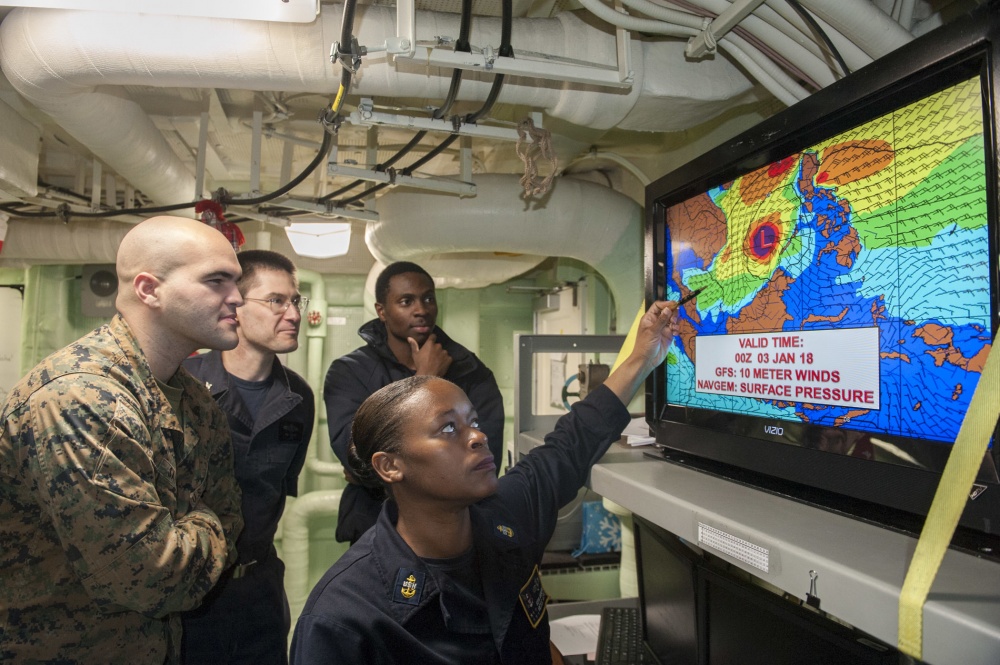
A better way for drones to see their targets
A Navy team is working to introduce highly-advanced precision meteorological tools to improve warfighter capability and protect ISR assets.
-

Don’t @ me, bro: the need for social media on the battlefield
Commanders could benefit from having a finer understanding of the social media landscape, including Facebook and Twitter, on the battlefield.
-
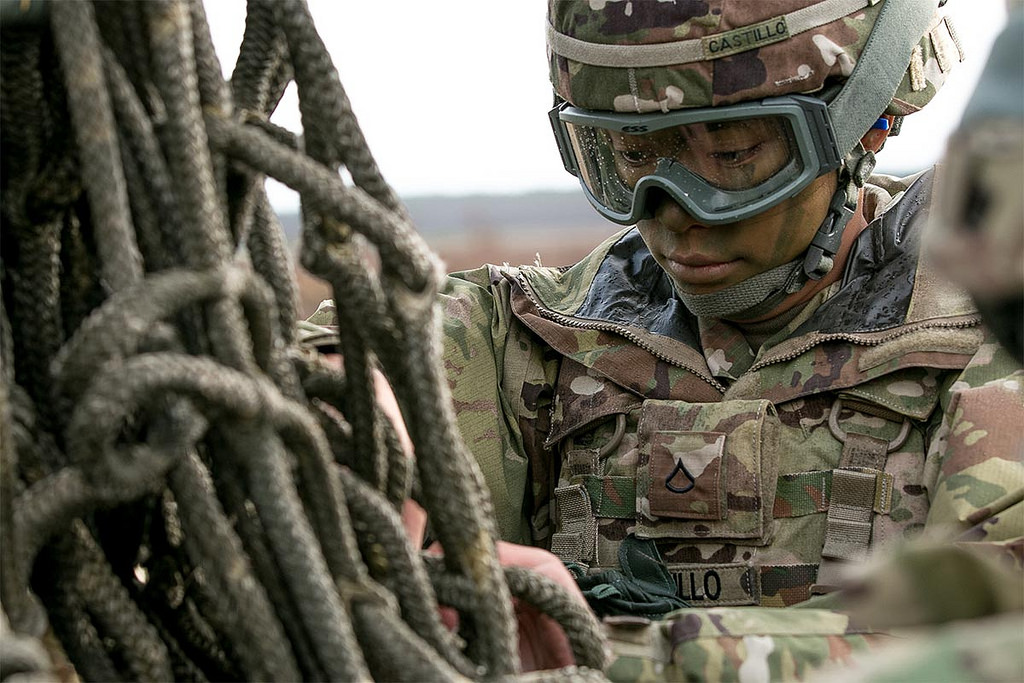
Next-gen RFID could improve how vehicles get to the battlefield
With next-gen RFID the U.S. military envisions a better way of moving arms munitions supplies and vehicles.
-
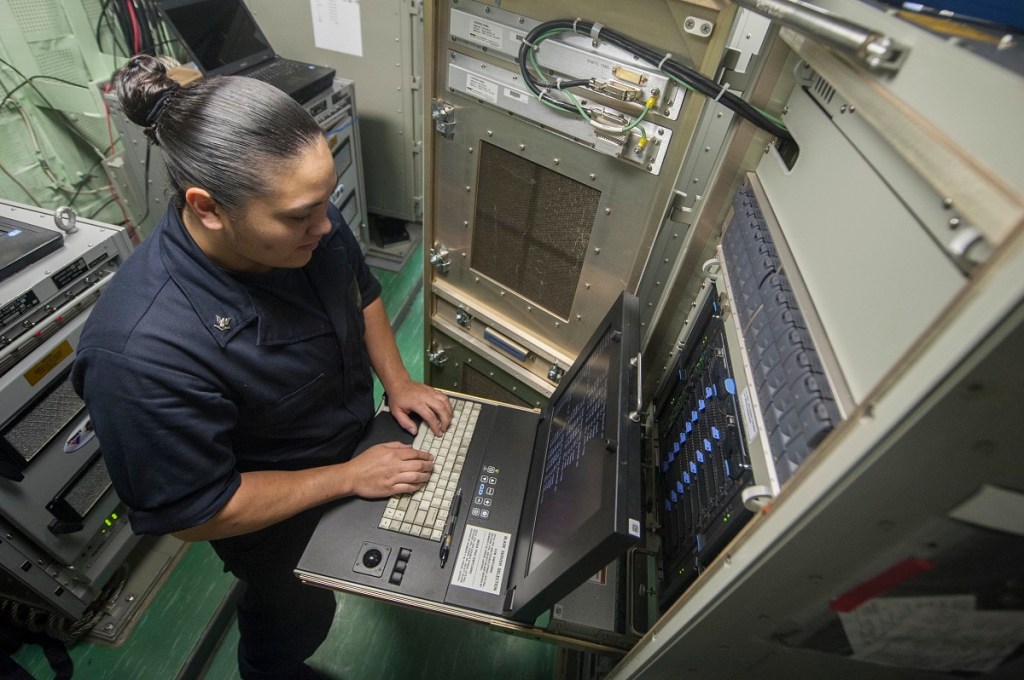
The rising importance of data as a weapon of war
Navy Cyber Security Division Director Rear Adm. Danelle Barrett shared her thoughts on a Navy pilot project to leverage web services and a new cloud architecture in the service of data security.
-

What is this? A screen for ants?
Army researchers say that miniature screen the size of a postage stamp could deliver vital tactical data in challenged circumstances.
-

DARPA wants to give commanders more CONTEXTS
DARPA wants to compile batches of previously inaccessible information to develop more complete intelligence and predict potential outcomes from military action.
-
The answer to battlefield logistics problems could be IoT
The Defense Logistics Agency estimates more than 20 billion IoT devices will be in use by 2020 in homes, businesses and government, and the agency sees a military opportunity in this coming wave of connected devices.
-
Even a little bit of poison is still … poison
Scientists at the U.S. Army Edgewood Chemical Biological Center at Aberdeen Proving Ground, Maryland, are developing a more accurate poison detector.
-
Air Force looks for help on new, hard-to-jam, satellite waveform
The Air Force expects to receive responses from industry soon on a recent request for information around protected satellite communications.
-
Is that a minivan or a combat vehicle? Hyperspectral sensors can help
Scientists at Harris Corp. say they are making headway on “hyperspectral” imaging that looks beyond ordinary colors to see the unique electromagnetic energy emitted by objects.
-
A better way for drones to see their targets
A Navy team is working to introduce highly-advanced precision meteorological tools to improve warfighter capability and protect ISR assets.
-
Don’t @ me, bro: the need for social media on the battlefield
Commanders could benefit from having a finer understanding of the social media landscape, including Facebook and Twitter, on the battlefield.
-
Next-gen RFID could improve how vehicles get to the battlefield
With next-gen RFID the U.S. military envisions a better way of moving arms munitions supplies and vehicles.
-
The rising importance of data as a weapon of war
Navy Cyber Security Division Director Rear Adm. Danelle Barrett shared her thoughts on a Navy pilot project to leverage web services and a new cloud architecture in the service of data security.
-
What is this? A screen for ants?
Army researchers say that miniature screen the size of a postage stamp could deliver vital tactical data in challenged circumstances.
-
DARPA wants to give commanders more CONTEXTS
DARPA wants to compile batches of previously inaccessible information to develop more complete intelligence and predict potential outcomes from military action.